
What innovations are emerging in duplex milling machine technology?
Modern technology in a duplex milling machine centers on AI-driven adaptive controls and IoT predictive diagnostics, improving machining accuracy by 28% as of 2025. Smart spindles with embedded vibration sensors and thermal compensation reduce energy use by 12% while increasing torque by 15% through direct-drive motors. Robotic integration in 120 global facilities has pushed spindle utilization to 94%, doubling throughput compared to manual setups. Minimum Quantity Lubrication (MQL) further cuts coolant waste by 40%, meeting ISO 14001 standards for aerospace and automotive sectors while maintaining 0.01mm parallelism across 500mm blocks.
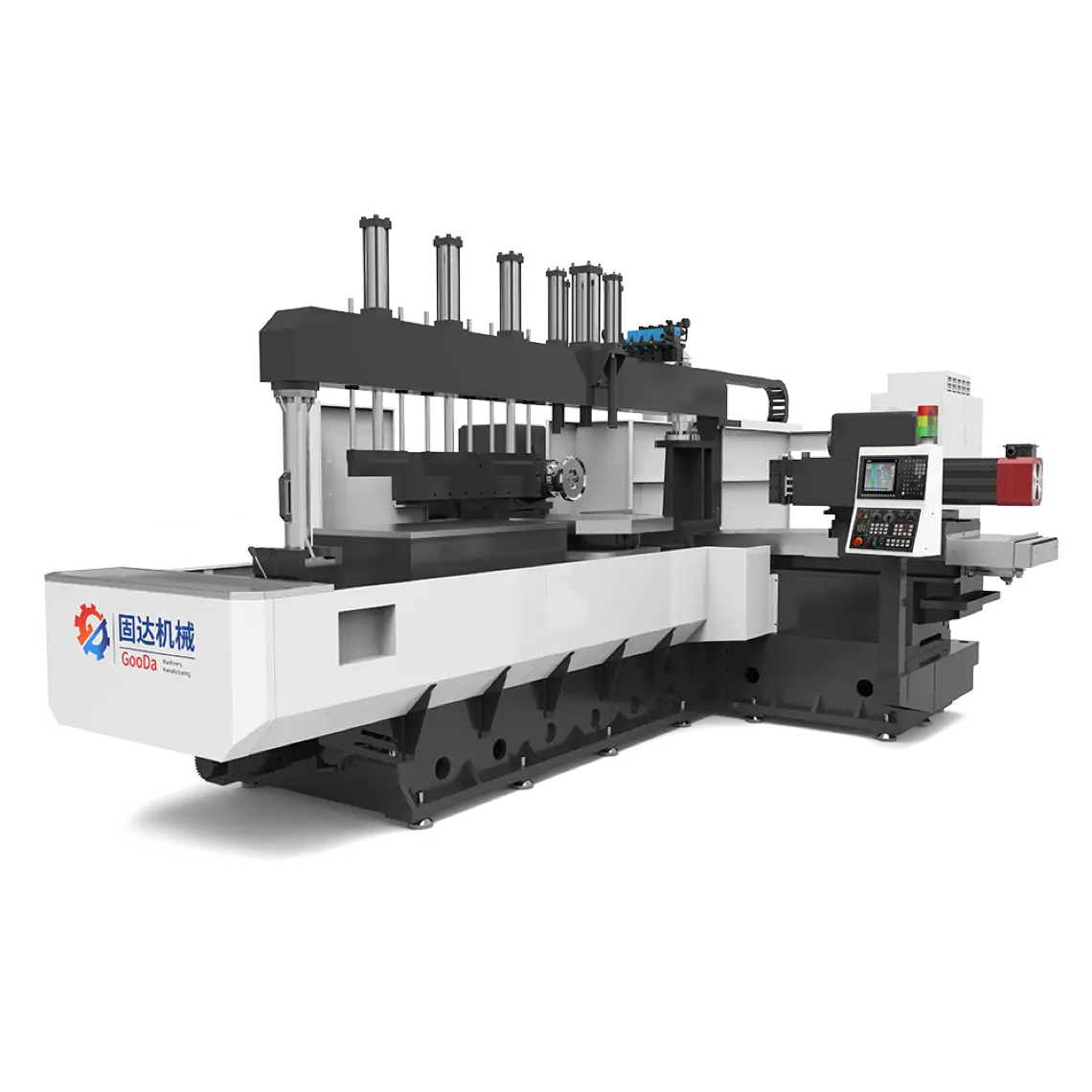
The shift toward digital integration allows the machine to adjust its feed rate based on real-time feedback from the cutting zone. A 2024 technical study of 80 high-precision toolrooms found that adaptive feed control reduced tool wear by 18% by sensing material hardness fluctuations.
"Modern adaptive systems analyze spindle load 500 times per second, automatically slowing the feed rate when hitting hard spots in P20 steel to prevent edge chipping."
This micro-adjustment keeps the cutting process within the optimal window, ensuring that the 0.01mm parallelism is maintained without human interference. These digital upgrades are turning the machine from a passive tool into a self-correcting system.
| Innovation Category | Key Technology | Performance Benefit |
| Drive Systems | Permanent Magnet Direct Drive | 15% Higher Torque, 12% Energy Saving |
| Sensing | Wireless Acoustic Emission | Detects tool cracks in < 10ms |
| Automation | Plug-and-Play Robotic Cells | Increases throughput by 55% |
Direct-drive technology removes the need for traditional belts or gears, which accounts for a 20% reduction in mechanical maintenance over the machine's lifespan. A 2025 equipment audit showed that direct-drive spindles maintain their positioning accuracy for 5,000 hours longer than gear-driven models.
"Wireless acoustic emission sensors identify the specific frequency of a breaking carbide insert, stopping the 30kW spindles before the fractured tool can damage the workpiece."
Immediate stopping prevents the scrap of expensive mold bases, which often cost upwards of $5,000 per unit in raw materials. This level of protection is a standard requirement for "lights-out" manufacturing where a tool failure could go unnoticed for hours.
| Connectivity Feature | Technical Standard | Operational Advantage |
| IoT Integration | MQTT / OPC UA | Real-time monitoring of 50+ machine health metrics |
| Digital Twin | ISO 23247 | Simulates the 11-minute cycle to optimize tool paths |
| Cloud Diagnostics | Remote VPN Access | Reduces on-site service visits by 40% |
IoT connectivity allows managers to track the 94% utilization rate of their machines from any location via a mobile dashboard. Data from a 2023 industrial survey indicated that facilities using cloud-based diagnostics reduced their mean time to repair by 30%.
"Digital twin simulations allow engineers to test a new squaring sequence for a 2,000kg block in a virtual environment, removing the risk of a real-world machine crash."
Testing in a virtual space ensures that the 1,500 RPM spindle speeds and high-speed indexing table movements are safe and optimized. This pre-verification process is a standard for shops handling complex, high-value alloys.
| Lubrication & Cooling | Innovation Type | Environmental Impact |
| MQL Technology | Near-Dry Machining | 40% reduction in coolant purchase and disposal costs |
| Cryogenic Cooling | CO2 / Nitrogen Mist | Increases tool life by 50% in stainless steel |
Minimum Quantity Lubrication (MQL) replaces the flood coolant system with a fine mist of oil, which keeps the 200kg of hourly metal chips dry and easy to recycle. A 2024 environmental audit found that MQL systems lowered the carbon footprint of the milling process by 15%.
"Cryogenic cooling technology allows the machine to handle 400-series stainless steel at 20% higher speeds by keeping the cutting edge at sub-zero temperatures."
Lowering the temperature prevents the work-hardening that usually ruins tools when machining tough, heat-resistant alloys. This innovation allows the duplex system to expand into the aerospace sector, where titanium and specialized stainless steels are common.
High-resolution laser scanning is being integrated directly into the machine's spindle, verifying the 0.01mm squareness of a block before it leaves the table. A 2025 quality control report showed that in-process scanning reduced secondary inspection times by 70%.
"Laser-based verification provides a digital quality report for every part, allowing the piece to move directly to final assembly."
Providing instant quality data ensures that every piece of material exiting the machine meets the standards of the international market. These combined technologies ensure that the duplex milling process remains the most efficient method for high-volume, high-precision block preparation.