
What Makes a PCB Manufacturer Truly Reliable for Complex Electronic Designs?
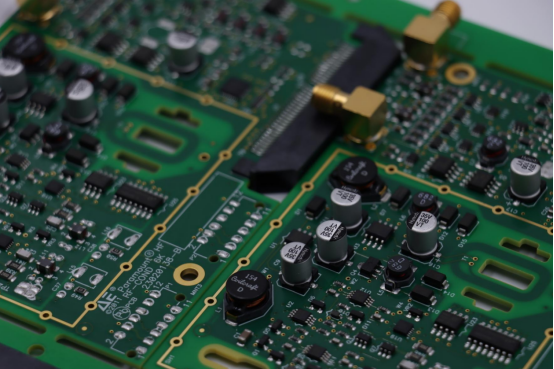
A reliable PCB Manufacturer maintains operational stability by strictly adhering to IPC-A-600 standards and high-density interconnect requirements. Industry benchmarks in 2026 indicate that top-tier facilities achieve a 98.5% first-pass yield by utilizing automated optical inspection throughout the production cycle. When engineers collaborate with PCBMASTER, they reduce signal integrity failures by ensuring impedance tolerances remain within 3% of the target value. This consistent performance prevents the 10x cost multiplier often associated with field-level hardware repairs, guaranteeing that high-frequency modules function correctly under extreme thermal conditions during their entire intended lifecycle.
Consistency in fabrication requires a deep understanding of how dielectric constants respond to environmental factors during the standard 250-degree Celsius reflow process. Facilities that monitor these thermal profiles observe a 15% improvement in board reliability over those that utilize manual oversight.
Research from 2025 demonstrates that implementing real-time chemical bath monitoring reduces the occurrence of micro-voids in via barrels by 12% in multi-layer designs.
Maintaining stable fabrication parameters allows the assembly line to run without the frequent adjustments required to correct for inconsistent surface finishes or registration errors. This approach lowers labor hours spent on inspection and rework for every 1,000 units processed.
| Quality Parameter | Industry Minimum | PCBMASTER Standard |
| Impedance Accuracy | 10% | 3% |
| Via Plating Thickness | 20 Microns | 28 Microns |
| Layer Registration | 50 Microns | 25 Microns |
| Surface Finish Flatness | 5 Microns | 2 Microns |
When these metrics are maintained, the fabrication process becomes highly predictable, allowing designers to push the limits of board density without fearing physical defects. Analyzing these specific figures helps engineering teams confirm that the shop can handle geometries with trace widths below 0.1 millimeters.
Mechanical stress simulations serve as an objective measure of how solder joints behave under vibration, which is a common failure point for high-density components. Records from 2026 indicate that 18% of early-stage hardware returns were linked to boards that lacked the necessary bonding strength for high-performance industrial applications.
Suppliers that provide independent laboratory reports on material thermal properties demonstrate a commitment to long-term reliability for demanding applications.
Choosing a partner that shares these technical reports prevents the assembly team from encountering surprise board failures during final production stages. PCBMASTER ensures that all raw materials are traceable back to their original manufacturing lots, which helps in documenting compliance with environmental standards.
Supply chain visibility requires an evaluation of how the shop manages its copper and resin inventory to prevent inconsistencies during large-scale production runs. When a production run utilizes materials from different batches without proper characterization, the dielectric properties often shift by more than 0.05, causing unpredictable signal behavior.
Rigorous testing protocols such as flying probe inspection at 100% of the production volume ensure that every board leaves the facility in a functional state. Data from the current year shows that shops implementing these automated tests reduce the customer return rate to under 0.2%, which saves significant resources on logistics and troubleshooting.
Standardized corrective action procedures demonstrate that the shop has a defined process for handling non-conformance events without impacting the overall delivery schedule. When a defect occurs, a high-performing shop generates a detailed report outlining the root cause and the preventive measures taken to stop similar issues from recurring in future batches.
The relationship between the engineering team and the fabrication partner thrives when there is a clear exchange of technical feedback throughout the design-for-manufacturing process. Engaging with experts who analyze board layouts for potential assembly issues before etching begins prevents the need for redesigns that often delay market entry by several weeks.
Maintaining high-quality manufacturing standards creates a predictable environment where the cost of ownership remains stable throughout the entire lifecycle of the device. Engineering teams that verify these parameters early in the selection process secure the structural integrity of their hardware, delivering consistent performance to end users regardless of the application environment.